
Helpful Info for College Bound Joliet High School Students
- Terra Rockhold Stene
- Jan 15, 2025
- 8 min read


Joliet schools has a diverse array of students with differing goals and priorities. For those who wish to pursue a post-secondary education, the process can be confusing and overwhelming. This article is a result of conversations with parents and students who have recently navigated the process, as well as information from my experience as a post-secondary education counselor. This article is not affiliated with Joliet Schools and is merely intended to be a helpful guide.
Below you will find some tips, for each year of high school, to assist with achieving your goals for post-secondary education.
Freshman Year
Academics
It is important to plan your course schedule, as much as you can, for the four years of high school. Make sure you plan to complete all of your core class requirements: Math, Science, English, and Social Studies. Be aware that Joliet school's requirements may not be as strict as colleges to which you apply. Many colleges will want to see four years of math if you are applying to an engineering major, for example. Be willing to be flexible, however, if your chosen electives are not available at the time you planned for them. Joliet offers online options through Apex learning that you may want to consider. Past students have also sought out other online options with the approval of the school. Note that it is extremely important to seek approval, in writing, from the school before you enroll in a course outside the Joliet school system.

You also want to focus on getting good grades and building strong study habits, as well as building relationships with teachers, advisors and coaches. These are the people you will be asking for letters of recommendation for scholarship and college applications in the next few years.
Join extra curricular activities that align with your interests and start keeping a list of all activities, volunteer work, awards and accolades in one place, possibly a notes app on your phone.
Major/Career
Begin thinking about what you might like for a major or career. There are many different career and personality tests available online. The Career Explorer Test will take about 15 minutes, but offers a wide variety of career options based on your preferences. Another free option is MyMajors.com. This assessment tool can help determine best majors to fit your interests, as well as guide you toward the most suitable colleges.

Scholarships
While most opportunities are for seniors and college students, you can begin seeking out and planning for scholarship applications this year. Joliet schools has provided a scant amount of scholarship information on its website, with Mr. Price as the point of contact.
Scholarship search engines can also be useful resources. Scholly and FastWeb are two free national options, but beware of scholarships that ask you to provide irrelevant personal information or require payment.
Reach Higher Montana provides more of a local focus, as well as monthly scholarship opportunities. It also provides a common application for many scholarships through the "It's Scholarship Time" program. The application window for the scholarships in this program is January 1 through March 1. Note that the scholarships in this program are mostly open to graduating seniors and college students.
Sophomore Year
Academics
Review your four year high school course plan prior to registering for classes.
Continue to focus on getting good grades and building strong study habits, as well as relationships with your teachers, advisors and coaches. Begin to focus your extra curricular activities and narrow those down to those that align with your passions, goals and interests. This is the time to hone time management skills and learn to prioritize, which will prepare you for leadership positions during your junior and senior years.
Major/Career
Continue researching college majors and suitable colleges. Begin making a list of colleges you would like to visit next year.
Scholarships
Continue scholarship research and planning.
Standardized Testing
During the summer between your sophomore and junior year, begin studying for the PSAT. Free study and practice resources can be found on the College Board website. Joliet administers the PSAT to students in the fall of their junior year.
Junior Year
Academics
Meet with your guidance counselor to review your course plan, as well as your transcripts and correct any discrepancies. You will also need to continually monitor your transcripts through the end of your senior year. Mistakes can be very costly.
Begin seeking letters of recommendation from teachers, coaches and advisors during the spring of your junior year. This will provide them time to compose a thoughtful, comprehensive letter. It will also ensure you are ready to begin submitting scholarship and college applications and not scrambling at the last minute for reference letters.
Major/Career
Junior year is the time to start getting serious about choosing a major and/or college. Continue to maintain focus on good grades, study habits and relationships with teachers and advisors.
Sign up for mailing lists at colleges in which you're interested.
Plan college visits. Many schools will have organized sessions you can attend. Be sure to book these in advance, especially if you are planning to attend during the summer or over summer, spring or winter breaks, as they can fill up quickly during these times. Make sure to have a list of questions you would like answered during the visit. This might be your one opportunity to visit your future home before making a decision.
If you plan to compete in college athletics, register with the NCAA at the beginning of your junior year. This is not a hard deadline, but is suggested because you must be cleared by the eligibility center, which can take some time, before you receive athletic scholarships or compete at the Division I or II levels. If you plan on competing in Division III you do not have to register.
This is also a good time to begin reaching out to college coaches. Most schools have interest forms on their website, or you can easily find coaches email addresses on college websites as well. Highlight your accomplishments in the subject line, for example 48.7s 400m and 1520 SAT. Give coaches a reason to open your email. Just make sure what you are highlighting is relevant to the coach's program. Don't worry if you don't hear back at first. They are busy people too. You can always email again, especially if you have an update to your statistics.
Scholarships
Continue scholarship research and planning. Apply to any scholarships for which you are eligible.
Standardized Testing
Make sure your are signed up to take the PSAT in the fall by contacting your guidance counselor or the test administrator, currently elementary principal Mr. Richert.
It is important to take the PSAT. It will allow you to experience the setting and test format as well as give you an idea of how you will score on the SAT. PSAT scores are also the basis for the first step in the National Merit Scholarship program.
After taking the PSAT test, you will register for the SAT and/or the ACT. During COVID, many colleges and universities became test optional, however, many are moving back toward requiring test scores for admission. Even those that do not require test scores often factor them into admissions decisions. So it is advisable to take at least one of either the SAT or ACT.
If you are not pleased with your SAT and/or ACT scores, continue studying and register to take them again in the summer or fall. Find a testing center here.
Senior Year
Academics
Review your courses from the previous years and make sure you aren't missing any credits.
Throughout the year, be sure to check your email regularly for emails from colleges you are applying to. Be sure to open them and reply to each one if it is requested.
Do not forget to thank and update the teachers, advisors and coaches you asked for letters of recommendation.
Continue to monitor your transcripts, get good grades and maintain positive relationships with your teachers, advisors and coaches. Don't let Senioritis best you this year! While it's important to enjoy your last year of high school, colleges want students who are serious about education and will reflect positively on their image.
Major/Career
Continue college visits if you are not yet decided. Once you have decided, add important deadlines to your calendar, including FAFSA, scholarship and admission application deadlines.
Continue reaching out to college coaches if you are interested in athletics. It is not too late!
Scholarships/FAFA
Apply for every scholarship for which you think you are eligible. Remember that there are lots of qualified, deserving students applying for these scholarships as well. Put your best effort forward and you won't be disappointed.
Another important date seniors need to be aware of is the deadline to submit the Federal Application for Student Aid (FAFSA). While the application for filing is open from October 1 to June 30, the priority filing deadline for Montana is December 1st. You are strongly encouraged to complete the application by that time. The applications submitted will help determine the amount of money that will be distributed to applicants. If you miss this deadline, you will be able to submit your application, but there may not be any funding available from your chosen college or university.
Note that you do not have to be admitted, or even know which school you will be attending, to apply. The FAFSA is a tool that determines your eligibility for federal financial aid.
Standardized Testing
Retake SAT and/or ACT if not happy with score(s). Send updated reports to any colleges for which you have already submitted applications.
College Applications
It's time to start applying to college!
Familiarize yourself with the Common Application if you intend to apply out of state, or to a Montana school that is not in the Montana University System (MUS).
If you intend to apply to an MUS school, you can submit your application through Apply Montana. It is important to note that you can apply to MUS for free during a two week window at the beginning of October. This time is called College Application Week. Montana tribal colleges and private universities also offer free applications during this window.
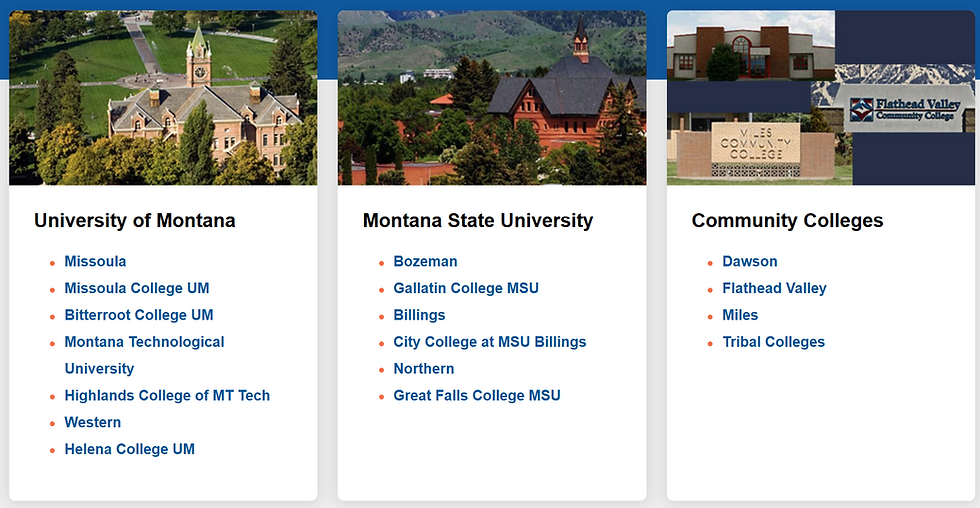
If you are applying to a school with rolling applications, you can generally start submitting your applications in August. If you are a person who likes to have a plan and the future settled, this is a good option to help you enjoy your senior year. It will also free your time to focus on earning scholarships.
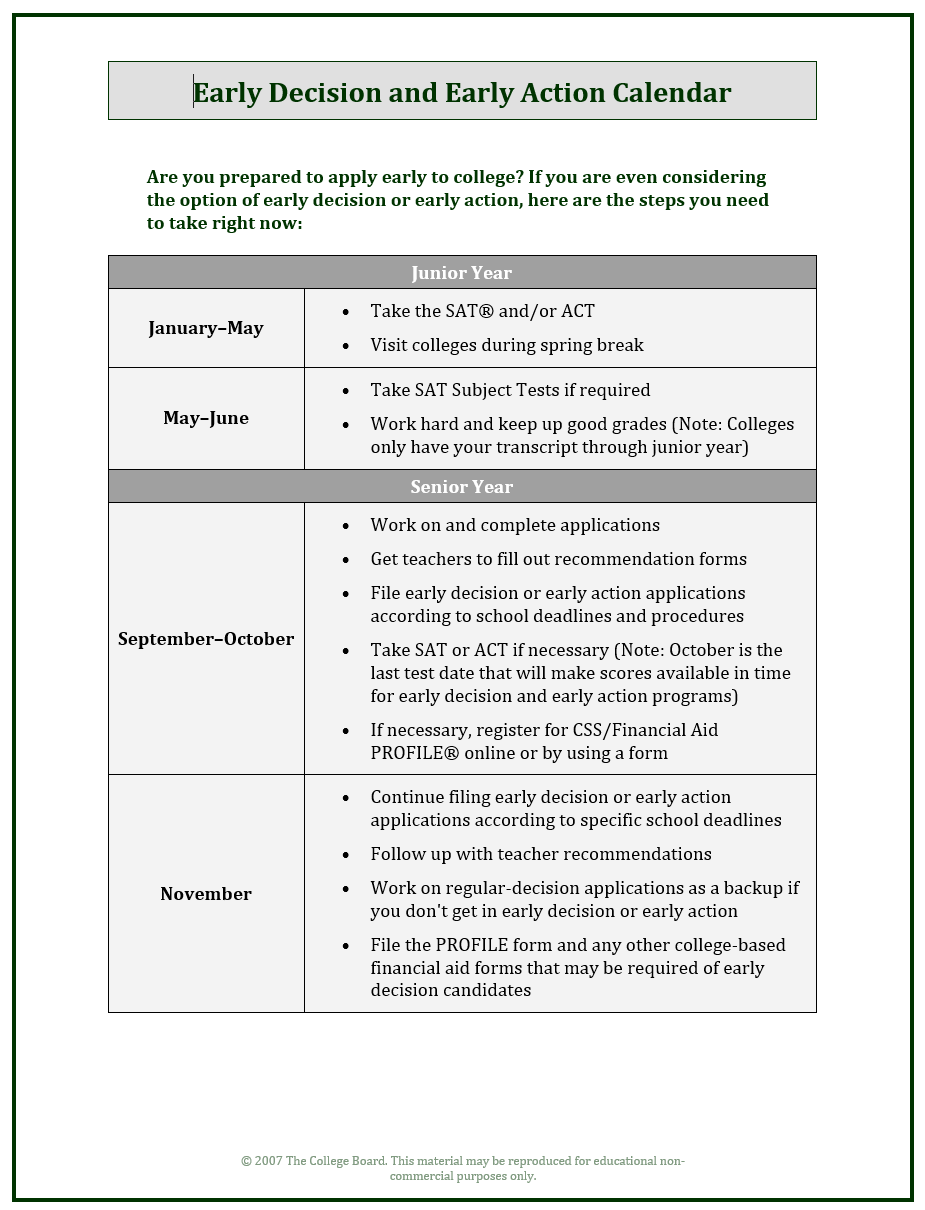
You also have the option of applying Early Decision (ED) or Early Action (EA). If you chose to apply ED, know that if you are accepted, you are committed to attending that school and you must withdraw all other applications. For EA applicants, admissions decisions are granted, but you do not have to commit until May 1st. ED is only recommended in limited circumstances, if you are applying for a highly competitive school and it is your first choice, for example. EA can help provide peace of mind, as well as a safety, if you are not admitted to your first choice school. The drawback to both ED and EA is that financial aid packages are generally not available yet for your review.
Enjoy your senior year! Don't forget to schedule downtime and take care of yourself.
This article will be updated as new information is discovered. Please send helpful information and/or feedback to trockholdstene@jolietobserver.com.
Additional Resources:
Joliet's Pathway Program Pamphlet


Comments